What it does:
Antioxidant Protection:
Vitamin E is a powerful fat-soluble antioxidant that helps protect cells from oxidative stress. It neutralises free radicals that can damage cell membranes, proteins, and DNA—supporting long-term health and cellular integrity.
Brain and Nervous System Support:
Vitamin E plays a vital role in maintaining healthy nerve function and cognitive health. Research suggests that it may help protect against age-related cognitive decline and support neurological function.
Cardiovascular Health:
Vitamin E contributes to heart health by supporting healthy blood vessel function and helping to prevent the oxidation of LDL cholesterol—a key factor in the development of atherosclerosis.
Immune System Function:
As an immune modulator, vitamin E supports the activity of T cells and other immune responses, especially important in older adults whose immune functions may be declining.
Skin and Eye Health:
Vitamin E helps maintain skin elasticity and hydration. It also supports the health of eye tissues and may help reduce the risk of age-related macular degeneration when combined with other antioxidants.
Food sources:
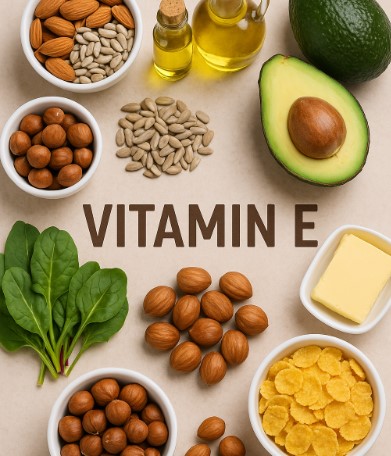
Nuts and Seeds: Almonds, sunflower seeds, and hazelnuts are among the richest sources.
Vegetable Oils: Sunflower, safflower, wheat germ, and olive oils contain significant amounts of vitamin E.
Leafy Greens: Spinach, Swiss chard, and turnip greens provide smaller but important levels.
Fortified Foods: Some cereals and spreads are fortified with vitamin E.
Avocados: A delicious and natural source of vitamin E, especially in plant-based diets.
Supplementation:
Due to variations in diet and nutrient absorption, many people may not achieve optimal vitamin E intake through food alone.
- Form: Choose supplements that contain mixed tocopherols (alpha, beta, gamma, delta) for a broader spectrum of antioxidant protection, rather than relying solely on alpha-tocopherol.
- Bioavailability: As a fat-soluble vitamin, vitamin E is best taken with meals that include healthy fats to enhance absorption.
- Philosophy-Aligned Formulas: Some high-quality multinutrient and omega-3 formulations from leading science-based health companies include vitamin E in balanced, bioavailable forms that support full-body antioxidant defense.
Safety:
RDA (Recommended Dietary Allowance):
- Adults: 15 mg (22.4 IU) per day
Upper Limit:
- 1,000 mg (1,500 IU) of alpha-tocopherol per day from supplements
Caution:
Excessive vitamin E from supplements may interfere with blood clotting, especially when taken with anticoagulant medications. Always consult a healthcare provider before high-dose supplementation.
Consulting a healthcare provider before starting any new supplementation regimen is recommended, especially for disease prevention.
Signs of Deficiency:
- Muscle weakness
- Coordination and balance problems
- Vision issues
- Nerve damage or tingling
- Weakened immune response
Deficiency is rare but more likely in individuals with fat-malabsorption disorders.
Toxicity Warning:
High doses of vitamin E (especially over 1,000 IU/day) can increase the risk of bleeding problems and may interfere with vitamin K function. Always use under professional supervision if taking more than the RDA.
Always consult a healthcare professional, especially when seeking optimal levels for disease prevention.
Learn more about Vitamin E:
Ask our scientists directly for more about Vitamin E
Disclaimer: The information in this article is for educational purposes only and is not intended as medical advice. For diagnosis and treatment of medical conditions, please consult a healthcare professional.
References:
USANA Health Sciences. “Vitamin E.” Accessed April 2025.
USANA Health Sciences. “CellSentials.” Accessed April 2025.
National Institutes of Health Office of Dietary Supplements. “Vitamin E Fact Sheet.” Accessed April 2025.
Harvard T.H. Chan School of Public Health. “Vitamin E.” Accessed April 2025.
Mayo Clinic. “Vitamin E: Function and Sources.” Accessed April 2025.
Healthline. “Top Benefits of Vitamin E and How to Get It.” Accessed April 2025.
 Live Health Today