
What it does:
Antioxidant Protection: Vitamin C is a potent antioxidant that neutralises free radicals, helping to protect cells from oxidative stress and supporting overall cellular health.
Collagen Synthesis: Essential for the production of collagen, vitamin C supports the maintenance of healthy skin, gums, cartilage, blood vessels, muscles, and bones.
Immune Support: Vitamin C plays a crucial role in supporting the immune system by aiding in the production and function of white blood cells, which are vital for defending the body against infections.
Enhanced Iron Absorption: Vitamin C enhances the absorption of non-heme iron (the type of iron found in plant-based foods), which is important for preventing iron deficiency anemia.
Cardiovascular Health: By supporting healthy blood vessels and promoting normal blood pressure levels, vitamin C contributes to overall cardiovascular well-being.
Food sources:
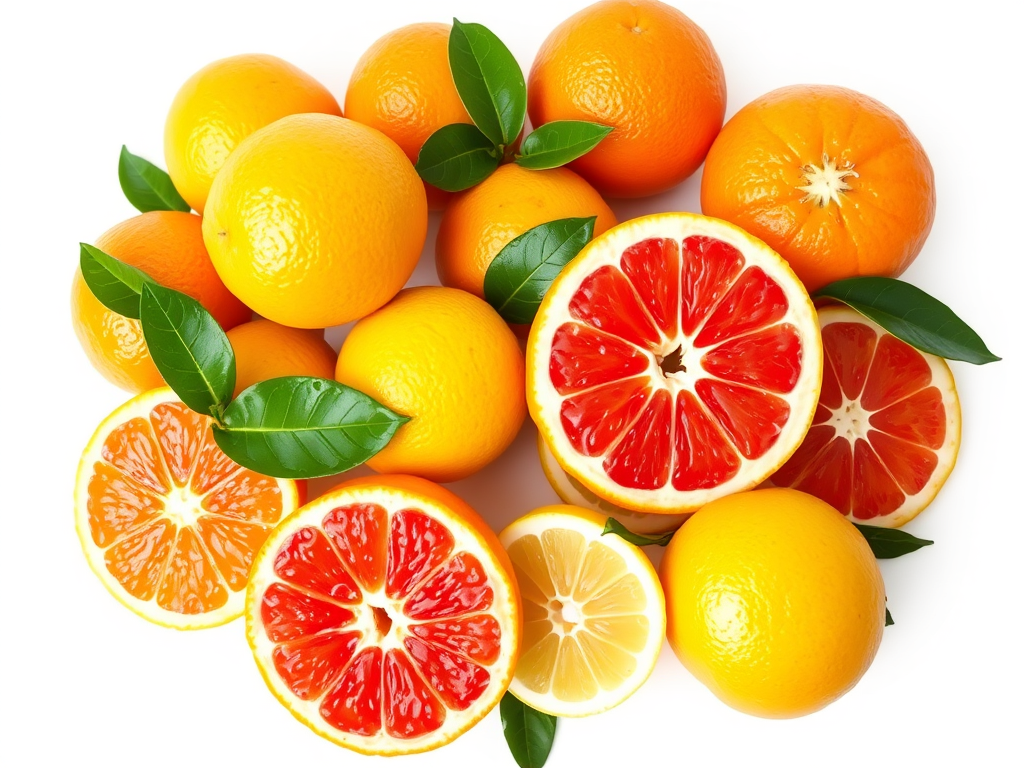
Citrus Fruits: Oranges, lemons, limes, and grapefruits are well-known sources of vitamin C.
Berries: Strawberries, raspberries, blueberries, and cranberries provide substantial amounts of vitamin C.
Kiwi: This small fruit is exceptionally rich in vitamin C.
Bell Peppers: Particularly the red and yellow varieties, bell peppers are excellent sources of vitamin C.
Leafy Greens: Spinach, kale, and other greens contain notable levels of vitamin C.
Tomatoes: Both fresh tomatoes and tomato juice offer vitamin C.
Supplementation:
Although whole foods are the best source, many people turn to supplements to meet their daily vitamin C needs—especially during times of stress or seasonal immune challenges. Some formulas also include added bioflavonoids or antioxidant blends to enhance the effectiveness of vitamin C and reduce gastrointestinal irritation.
Forms of Vitamin C:
Vitamin C is water-soluble and not stored in the body, so consistent daily intake is important. Taking it with meals may help reduce the risk of stomach upset and improve absorption.
Buffered or mineral ascorbate forms of vitamin C tend to be gentler on the stomach compared to standard ascorbic acid, and some time-release options allow for longer-lasting benefits.
Safety:
The standard Recommended Daily Allowance (RDA) for vitamin C is 75 mg for women and 90 mg for men. However, many health experts argue that these values are too low to provide optimal protection against chronic diseases and to support long-term health.
Chronic Disease Prevention: Studies suggest higher levels of vitamin C may reduce the risk of chronic diseases like heart disease, diabetes, and certain cancers. Some research recommends up to 500 mg–1,000 mg per day for maintaining cellular health and protecting against oxidative damage.
Safety of Higher Doses: Vitamin C is generally safe even at higher doses, as excess amounts are excreted in urine. While the upper intake level (UL) is set at 2,000 mg per day to avoid gastrointestinal discomfort, most individuals can benefit from higher amounts when consumed regularly.
Consulting a healthcare provider before starting any new supplementation regimen is recommended, especially for disease prevention.
Common deficiencies:
Fatigue:
Low vitamin C can lead to chronic fatigue and low energy due to impaired metabolic function.
Slow Wound Healing:
Insufficient vitamin C can slow down wound healing, leading to prolonged recovery times.
Bleeding Gums & Tooth Loss:
Deficiency can cause bleeding gums and tooth loss, as vitamin C is essential for gum and connective tissue health.
Skin Issues:
Dry, flaky skin and increased bruising can occur when vitamin C is lacking, as it’s vital for collagen production.
Joint Pain & Swelling:
Without enough vitamin C, joint pain and swelling may arise due to weakened connective tissue and cartilage.
At-Risk Populations:
Older Adults & Those with Absorption Disorders:
Aging and digestive conditions like Crohn’s disease or IBS can impair vitamin C absorption, increasing deficiency risk.
Smokers:
Nicotine depletes vitamin C, requiring smokers to consume up to 35 mg more daily than non-smokers.
Limited Diets:
People with restrictive diets, such as vegans or those not eating enough fruits and vegetables, may lack sufficient vitamin C.
Dosage & safety:
While the current RDA for vitamin C is 75–90 mg, many experts believe this is insufficient for protecting against chronic disease. For enhanced health and disease prevention, daily doses of 500–1,000 mg may be more appropriate for most adults.
High-dose vitamin C supplementation can be particularly helpful during times of stress, illness, or when dietary intake is inadequate.
Always consult a healthcare professional, especially when seeking optimal levels for disease prevention.
Learn more about Vitamin C:
Disclaimer: The information in this article is for educational purposes only and is not intended as medical advice. For diagnosis and treatment of medical conditions, please consult a healthcare professional.
References:
Health.com. “The Benefits of Vitamin C and How It Affects Your Health.” Health.com. Accessed March 2025.
Verywell Health. “Vitamin C: Benefits, Dosage, and Risks.” Verywell Health. Accessed March 2025.
USANA Health Sciences. “The Importance of Vitamin C for Health.” USANA. Accessed March 2025.
 Live Health Today